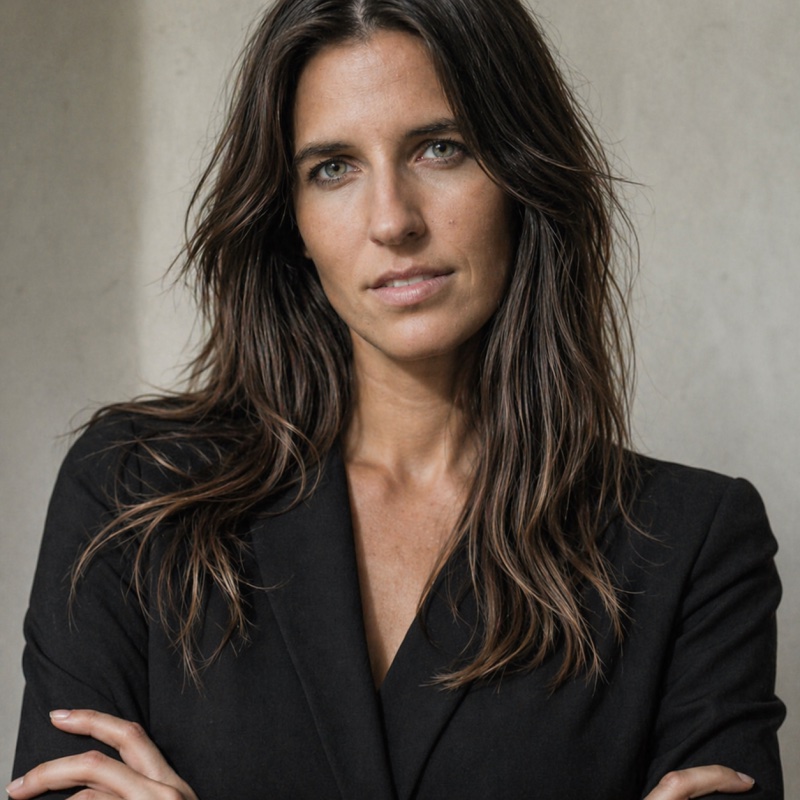
Originally sent as "money questions I don't usually answer" to the From operator to owner newsletter.
Last week I spent an hour recording a podcast for Santander and Jornal PT50 in Lisbon, answering questions about money I don't usually answer out loud.
I was there recording an episode of Capital de Ideias. The questions were more personal than I expected. Did your parents talk about money at home. What did being rich mean to you at a younger age. What's the best investment you've ever made.
I answered that last one before I'd thought it through. My kids, I said, half joking. Then I stopped and gave the real answer. Time. Years of learning, reading, writing, showing up under my own name, long before any of it paid for anything.
Nobody expects that answer. They want a stock, a property, a number they can nod at.
But it's true. The best-performing thing I own isn't in a brokerage account. It's what I know today, and I spent years pricing it like it didn't matter.
The advice I never charged for
For years, there was a separate kind of advice I never charged for: the DMs, the coffee, the conference keynote, the "quick call" that turned into an hour breaking down someone's go-to-market plan. Charging for that felt like billing a friend for something I'd say for free at a dinner table.
Eventually I started charging for it, because people kept walking away from those conversations with real results and I was the only one still treating it like it wasn't worth anything.
That instinct cost me for longer than it should have, and it had nothing to do with whether the advice was any good. I was treating my own expertise like a fixed thing, when it actually behaves like a compounding one.
Every year I run a business, advise a founder, get something wrong and fix it, that knowledge gets more valuable, not less. Capital works the same way. Nobody argues an index fund should stay priced where it started ten years ago. I stopped arguing that about myself, too.
Would you keep building?
Near the end of the recording, the host asked one more thing. If financial independence were guaranteed for the rest of your life starting tomorrow, would you keep building companies?
I said yes before I'd finished hearing the question. It wasn't about the money. Building is how I've chosen to spend my time now. The only real change would be the pressure to make it work.
That's closer to what wealth means to me these days than any number in an account: a filter for what I build next.
Money doesn't buy freedom on its own. It buys options. But you need something to sell before you have any options to buy. If you're circling the idea of turning what you know into income, start with how to price it.
Get the next issue
From operator to owner goes out every Thursday: a 3-minute read on building a business after a tech career, with the experiments, the numbers and the mistakes.